Demand for reliable, high-quality PVC pipes continues to grow across construction, plumbing, irrigation, electrical infrastructure, agriculture, water management, and industrial applications. As manufacturers face rising production demands, selecting the right PVC Pipe Manufacturing Machinery has become essential to maintain productivity, product consistency, and operational efficiency.
Modern PVC Pipe Machinery helps manufacturers automate important production processes, reduce manual intervention, improve dimensional accuracy, and maintain consistent pipe quality. However, a manufacturing unit's performance depends not only on the machine itself but also on choosing an experienced, technically capable PVC Pipe Machine Manufacturer in India.
Whether you are setting up a new PVC pipe manufacturing plant or upgrading an existing production line, the following factors can help you choose the right machinery manufacturer.
What Is PVC Pipe Manufacturing Machinery?
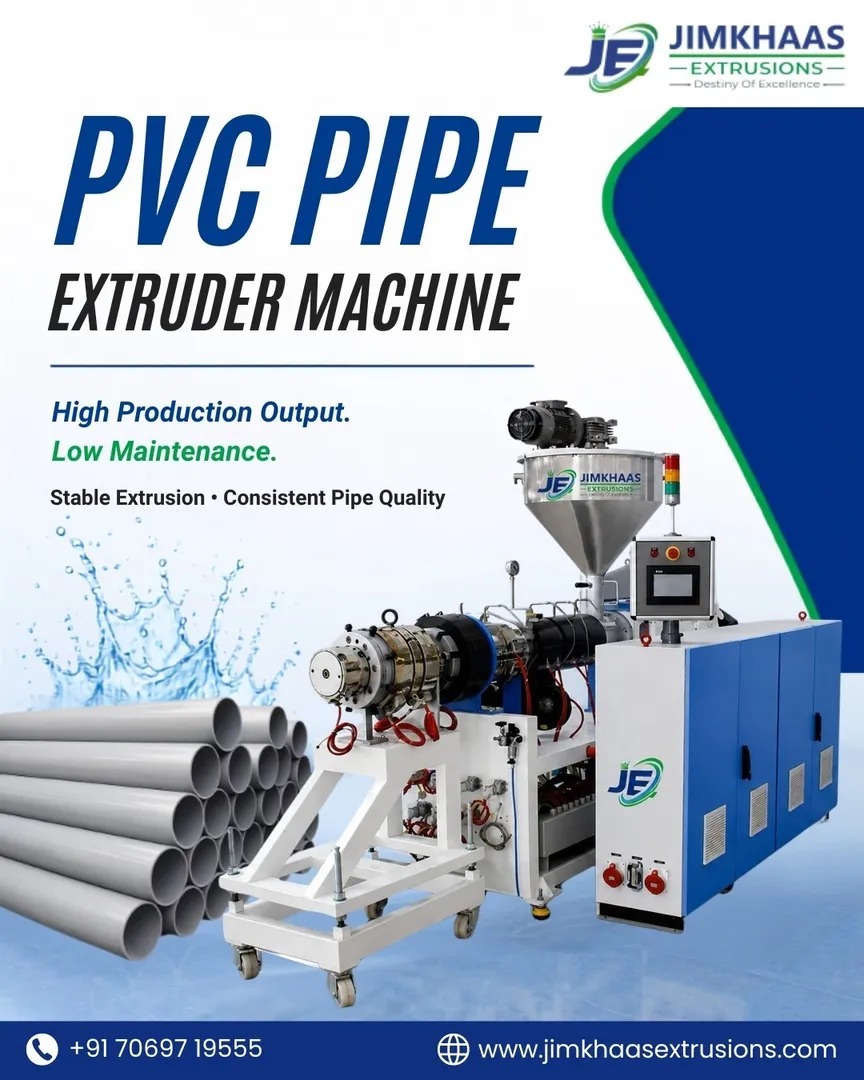
PVC Pipe Manufacturing Machinery is a combination of industrial equipment used to produce PVC pipes from raw materials through controlled extrusion and finishing processes.
A complete PVC pipe production line may include:
- PVC pipe extrusion machine
- Extruder
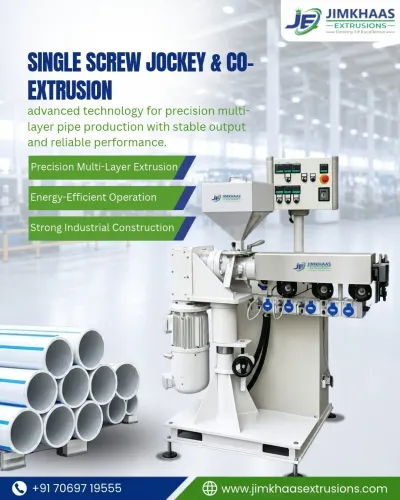
- Screw and barrel system
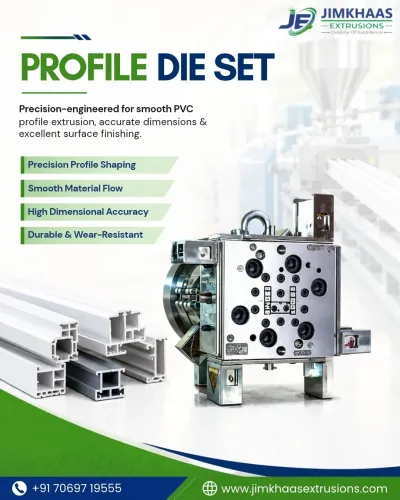
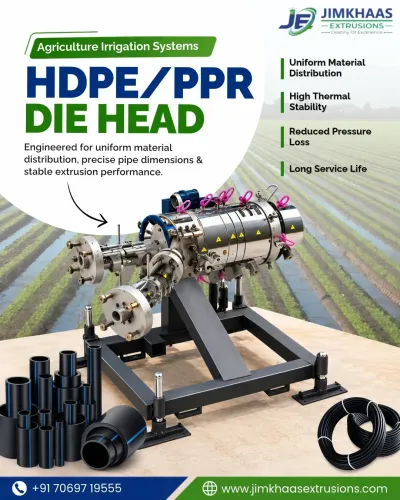
- Die and mould
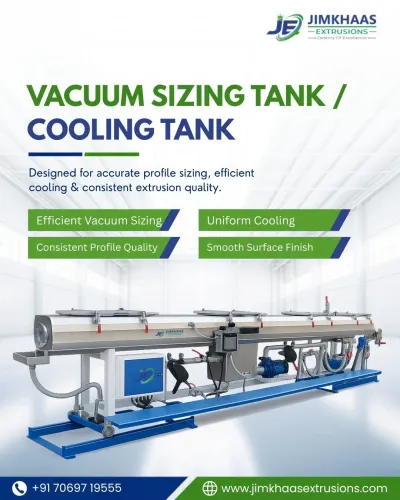
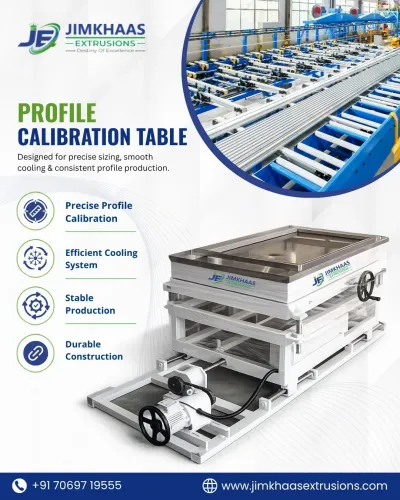
- Vacuum calibration tank
- Cooling tank
- Haul-off unit
- Cutting machine
- Pipe stacking unit
- Belling or socketing machine
- PLC control system
- Automatic temperature and speed controls
The exact configuration depends on the pipe diameter, wall thickness, production capacity, raw material formulation, application, and level of automation required.
Why Is the Right PVC Pipe Machinery Important?
The quality and configuration of your PVC Pipe Machinery can directly influence production efficiency, product quality, energy consumption, maintenance requirements, and overall manufacturing costs.
A properly designed production line can help manufacturers achieve:
- Consistent pipe dimensions
- Higher production efficiency
- Better material utilization
- Reduced manual intervention
- Improved process control
- Consistent product quality
- Lower production downtime
- Better operational productivity
For this reason, manufacturers should evaluate the complete production solution rather than selecting equipment based only on the initial PVC pipe machine price.
10 Important Factors to Consider When Choosing a PVC Pipe Machine Manufacturer
1. Manufacturer’s Experience and Technical Expertise
Start by checking the PVC pipe machine manufacturer's experience.
An experienced manufacturer should understand the technical requirements of PVC pipe extrusion and recommend machinery that matches your production goals.
Consider:
- Manufacturing experience
- Types of machines manufactured
- Previous installations
- Industries served
- Technical team
- Production capabilities
- Customer references
A manufacturer with relevant experience can help you select the appropriate machine configuration instead of offering a standard solution that may not match your requirements.
2. Understand Your PVC Pipe Production Requirements
Before purchasing a PVC Pipe Making Machine, clearly define what you want to manufacture.
Important requirements include:
- Pipe diameter
- Wall thickness
- Pipe length
- Production capacity
- Raw material
- Pipe application
- Required production speed
- Automation requirements
- Factory space
- Available power supply
For example, the machinery required for electrical conduit pipes may be different from equipment used for large-diameter drainage, agricultural, or industrial pipes.
A reliable PVC Pipe Machine Manufacturer in India should first understand your production requirements and then recommend the appropriate system.
3. Evaluate PVC Pipe Extrusion Technology
The extrusion system is one of the most important components of a PVC pipe production line.
When evaluating a PVC Pipe Extrusion Machine, check the design and quality of:
- Extruder
- Screw and barrel
- Die head
- Heating system
- Cooling system
- Vacuum calibration
- Haul-off system
- Cutting system
- Control panel
A well-designed extrusion system helps maintain stable processing conditions and consistent pipe dimensions throughout production.
4. Check Production Capacity
Production capacity should match your current requirements and future growth plans.
Ask the manufacturer for technical specifications covering:
- Output per hour
- Pipe diameter range
- Wall thickness range
- Production speed
- Motor capacity
- Energy consumption
- Maximum and minimum pipe sizes
When comparing different machines, make sure their output figures are based on comparable production conditions.
A machine with high theoretical output may not deliver the same practical output for every pipe size or formulation.
5. Consider Automation and Process Control
Modern PVC Pipe Manufacturing Machines can incorporate automation to improve production consistency and reduce manual operations.
Depending on your requirements, automation may include:
- PLC-based controls
- Touchscreen HMI
- Automatic temperature control
- Speed control
- Automatic cutting
- Length measurement
- Production monitoring
- Alarm systems
- Centralized control
Automation can help operators maintain consistent production parameters and quickly identify process abnormalities.
6. Compare PVC Pipe Machine Price and Total Ownership Cost
PVC Pipe Machine Price in India varies by machine capacity, configuration, automation, components, customization, and production requirements.
However, purchasing the lowest-priced machine may not always be the most economical decision.
Consider the complete cost of ownership:
Machine Investment + Installation + Energy + Maintenance + Spare Parts + Labour + Downtime
A high-quality machine with better efficiency and reliability may provide greater long-term value than a low-cost machine that requires frequent maintenance.
7. Check Customization Options
Manufacturing requirements differ from one company to another.
A capable PVC Pipe Extrusion Machine Manufacturer should be able to configure the production line according to your requirements.
Customization may include:
- Different pipe diameter ranges.
- Extruder capacity
- Die and mould configuration.
- Cooling system
- Haul-off configuration
- Cutting system
- Belling system
- Automation level
- Production-line layout
Customized machinery can be particularly useful for manufacturers producing multiple pipe sizes or specialized PVC products.
8. Evaluate Energy Efficiency
Energy consumption is an important factor in the operating cost of a PVC pipe manufacturing plant.
Ask your machine manufacturer about:
- Motor efficiency
- Heating system efficiency
- Cooling system
- Drive system
- Automation
- Approximate energy consumption
An energy-efficient PVC Pipe Manufacturing Machine can help reduce operating expenses while supporting consistent production.
9. Check Installation and After-Sales Support
A machine manufacturer’s responsibility should not end when the equipment is delivered.
Before purchasing, ask about:
- Installation
- Machine commissioning
- Operator training
- Technical support
- Preventive maintenance
- Troubleshooting
- Warranty
- Spare parts
- Remote assistance
Reliable after-sales service can reduce downtime and help manufacturers maintain stable production.
10. Verify Spare Parts Availability
The availability of replacement components is critical for continuous manufacturing.
Ask whether commonly required spare parts are readily available, including:
- Sensors
- Heating elements
- Electrical components
- Bearings
- Cutting blades
- Motors
- Drives
- Control components
- Gearbox components
A dependable PVC Pipe Machine Supplier in India should have a proper spare-parts and technical-support system.
Applications of PVC Pipe Manufacturing Machinery
PVC pipes are used across a wide range of industries and infrastructure projects.
Construction
PVC pipes are widely used for plumbing, drainage, water supply, and other building applications.
Agriculture and Irrigation
PVC pipe systems are used for irrigation, water distribution, and agricultural infrastructure.
Electrical
PVC conduit pipes provide protection for electrical cables and wiring systems.
Plumbing
PVC pipes are commonly used in residential, commercial, and industrial plumbing applications.
Industrial Applications
Specialized PVC pipes can be used for fluid transportation, chemical handling, and various industrial systems depending on their specifications and formulation.
Because applications vary, manufacturers should choose machinery based on the final product requirements rather than purchasing equipment based only on general production capacity.
How to Select the Best PVC Pipe Machine Manufacturer in India?
When comparing different PVC Pipe Machine Manufacturers in India, create a technical comparison based on:
FactorWhat to CheckExperienceManufacturing history and relevant installationsMachine QualityComponents, construction and technologyCapacityOutput and pipe-size rangeAutomationPLC, HMI and process controlsCustomizationAbility to configure the production lineEnergy EfficiencyPower consumption and drive systemsPriceTotal investment and ownership costServiceInstallation and technical supportSpare PartsAvailability and response timeWarrantyCoverage and service conditionsReferencesExisting customer installations
The right manufacturer should provide both quality machinery and long-term technical support.
Why Choose an Experienced PVC Pipe Machinery Manufacturer?
Investing in a PVC pipe production line is a long-term business decision. An experienced manufacturer can help you select machinery that is suitable for your product range, production volume, and future expansion plans.
A professional machine supplier should provide support throughout the complete process:
Requirement Analysis → Machine Selection → Manufacturing → Testing → Installation → Training → Production Support → Maintenance
This complete approach can help reduce production risks and improve the long-term performance of your manufacturing facility.
With the right PVC Pipe Manufacturing Machinery, manufacturers can improve production efficiency, maintain consistent product quality, reduce unnecessary manual intervention and build a more reliable manufacturing process.
Before investing in a PVC Pipe Making Machine or PVC Pipe Extrusion Machine, clearly define your production requirements and compare manufacturers based on technology, service, reliability and long-term value.
The right machine is an investment in production efficiency, product quality and future manufacturing growth.
Frequently Asked Questions About PVC Pipe Manufacturing Machinery
1. What is PVC Pipe Manufacturing Machinery?
PVC Pipe Manufacturing Machinery is a complete set of industrial equipment used to manufacture PVC pipes. It can include an extruder, die, vacuum calibration tank, cooling system, haul-off, cutting machine, stacking unit and other auxiliary equipment.
2. How does a PVC pipe extrusion machine work?
A PVC pipe extrusion machine processes PVC material through an extruder, where the material is heated and conveyed before being formed through a die. The pipe is then calibrated, cooled, pulled and cut to the required length.
3. How do I choose the right PVC pipe machine manufacturer in India?
Consider the manufacturer’s experience, machine quality, production capacity, extrusion technology, customization options, automation, energy efficiency, price, spare-parts availability and after-sales technical support.
4. What factors affect PVC pipe machine price in India?
The PVC pipe machine price in India depends on production capacity, pipe diameter range, machine configuration, automation, components, customization, auxiliary equipment and the overall production-line requirements.
5. What is the difference between a PVC pipe machine and a PVC pipe extrusion line?
A PVC pipe machine may refer to an individual machine or core extrusion equipment, while a complete PVC pipe extrusion line generally includes the extruder, die, calibration, cooling, haul-off, cutting and stacking equipment required for continuous pipe production.
Keywords